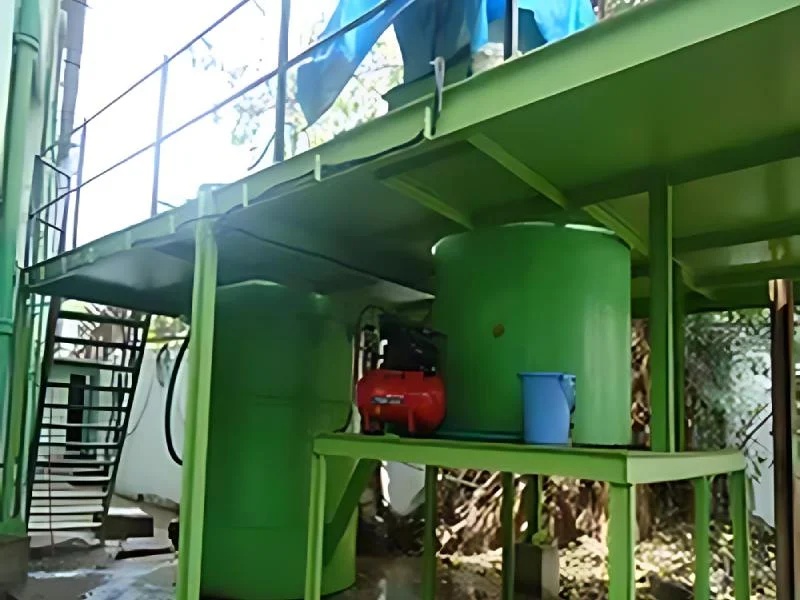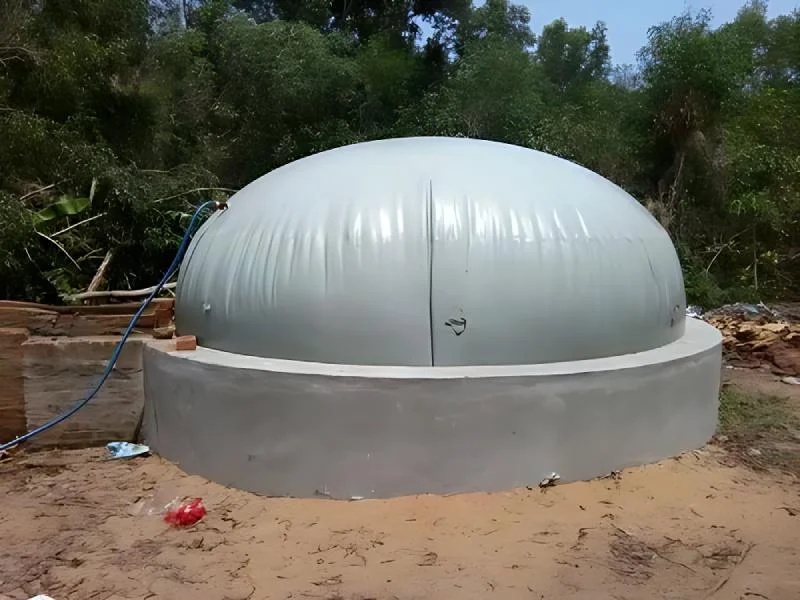
Flexible Biogas Plant is an adaptable system designed to convert organic waste into biogas and nutrient-rich slurry efficiently. It offers a renewable energy solution suitable for both domestic and commercial applications.
Flexible Biogas Plant is designed to utilize a wide range of organic wastes such as kitchen waste, agricultural residues, and animal manure to produce biogas for cooking, heating, or electricity generation. Its flexible design allows installation in various environments and capacities, from small households to large commercial setups. The plant includes a biogas digester, inlet/outlet system, and storage balloon, ensuring continuous biogas production and efficient waste management. The byproduct, nutrient-rich slurry, can be used as organic fertilizer, enhancing sustainability and cost-effectiveness.
Cash,Cheque
Key Attributes
- Product Type Flexible Biogas Plant
- Feedstock Capacity 1 kg/day to 2000 kg/day (scalable)
- Biogas Output 0.2 m³ to 200 m³ per day (depending on input)
- Gas Composition 50% to 65% methane, balance CO₂ and trace gases
- Operating Pressure 8 mbar to 25 mbar (depending on storage system)
- Retention Time 20 days to 60 days (based on feedstock type and temperature)
- Material of Construction FRP / HDPE / Rubberized fabric (flexible and durable)
- Storage Balloon Capacity 1 m³ to 100 m³ (customizable)
- Operating Temperature 15°C to 55°C (ambient or controlled)
- Byproduct Nutrient-rich organic slurry usable as fertilizer
- Lifespan 10 years to 20 years (depending on maintenance and material)
- Applications Cooking, Heating, Electricity generation, Organic waste management
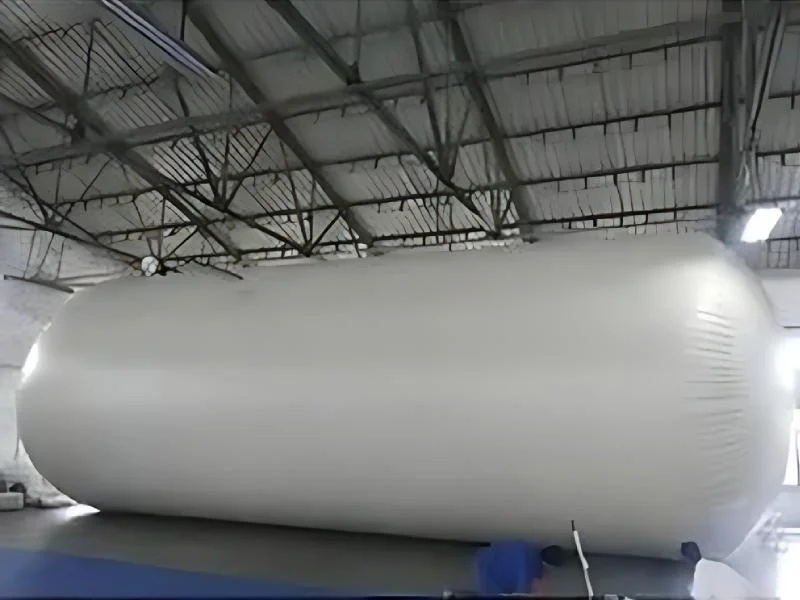
A Biogas Storage Balloon is a flexible, high-strength gas holder used to safely store and regulate biogas produced from domestic, commercial, or industrial biogas plants. It ensures a steady supply of gas for cooking, heating, or power generation.
Biogas Storage Balloon is designed using flexible, weather-resistant, and high-quality synthetic materials to safely store biogas generated from biogas plants. Unlike rigid tanks, the balloon-type design is lightweight, portable, and easy to install. It comes with inlet and outlet nozzles, pressure control valves, and sealing technology to ensure safe storage without leakage. These balloons are available in various capacities to suit household, farm, and industrial needs. They can also be connected to gas pipelines for cooking, electricity generation, or industrial heating. Ideal for both temporary and long-term storage, biogas storage balloons provide a cost-effective and reliable gas storage solution.
Cash,Cheque
Key Attributes
- Storage Capacity 1 m³ to 1,000 m³ (customizable)
- Operating Pressure 8 mbar to 15 mbar
- Material Multi-layer PVC / TPU coated fabric (650 to 1,200 GSM)
- Gas Retention Time 30 to 90 days (depending on use)
- Lifespan 8 to 12 years
- Temperature Resistance -20°C to +60°C
- Installation Time 2 to 6 hours (depending on size)
- Portability Lightweight and easy to relocate
- Safety Features Pressure relief valve, anti-leak welding, UV protection
- Maintenance Minimal, requires periodic cleaning and inspection
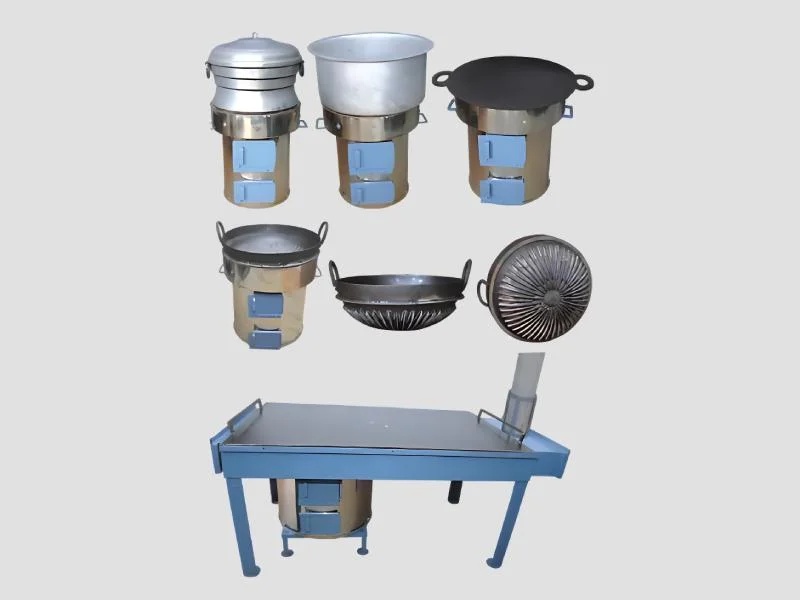
Commercial Biomass Cooking Stoves are high-capacity, eco-friendly stoves designed to run on biomass fuels like wood pellets, briquettes, and agri-waste. They provide efficient, smoke-free cooking with reduced fuel costs compared to LPG and firewood.
Commercial Biomass Cooking Stoves are robust and energy-efficient cooking appliances designed for heavy-duty use in commercial and institutional kitchens. Built from durable mild steel or stainless steel, they are compatible with various biomass fuels such as wood pellets, briquettes, coconut shells, and agricultural residues.These stoves provide high thermal efficiency with minimal smoke, ash, and emissions, making them an eco-friendly alternative to LPG, diesel, or firewood-based cooking. With features like controlled fuel feeding, quick ignition, and consistent flame output, they ensure reliable cooking performance even in high-volume operations.Their cost-effectiveness and sustainability make them a preferred choice for canteens, restaurants, community kitchens, and industries looking to reduce fuel expenses while adopting renewable energy practices.
Cash,Cheque
Key Attributes
- Fuel Type Biomass Pellets / Briquettes
- Heating Capacity 10 kW – 100 kW
- Burner Type Single / Multi-Burner
- Material MS / SS Construction
- Thermal Efficiency 75 – 90%
- Pellet Consumption 2 – 10 kg/hour (per burner)
- Ash Content after Burning ≤ 2%
- Cooking Capacity 50 – 500 meals per cycle
- Operating Voltage (if auto) 220 V / Single Phase
- Lifespan 8 – 12 years
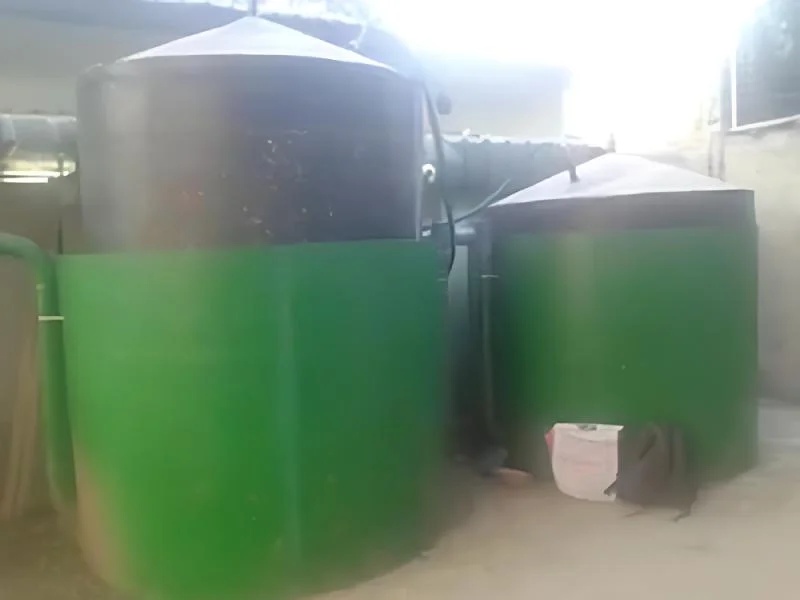
FRP Biogas Plant is a durable, prefabricated system made from Fiber Reinforced Plastic (FRP), designed to convert organic waste into clean biogas and organic fertilizer. It is widely used in domestic, commercial, and institutional applications.
FRP Biogas Plant is a modern, prefabricated unit made from high-strength, corrosion-resistant Fiber Reinforced Plastic. It efficiently processes kitchen waste, food residues, agricultural biomass, and animal manure to generate biogas, which can be used for cooking, heating, and power generation. The byproduct, a nutrient-rich slurry, serves as an organic manure, supporting sustainable agriculture. FRP construction ensures a lightweight, leak-proof, and long-lasting structure, making it easy to transport, install, and maintain. Suitable for households, restaurants, institutions, and small industries, the plant supports eco-friendly energy production and effective waste management.
Cash,Cheque
Key Attributes
- Product Type FRP (Fiber Reinforced Plastic) Biogas Plant
- Feedstock Capacity 1 kg/day to 5000 kg/day (scalable)
- Biogas Output 0.3 m³ to 2500 m³ per day (depending on input)
- Gas Composition 55% to 65% methane, balance CO₂ and trace gases
- Retention Time 20 days to 60 days (based on feedstock and temperature)
- Material of Construction Fiber Reinforced Plastic (FRP), leak-proof and corrosion-resistant
- Plant Design Prefabricated, modular, portable, and easy to install
- Operating Pressure 8 mbar to 30 mbar (depending on design)
- Storage Capacity 1 m³ to 100 m³ (customizable gas storage options)
- Operating Temperature 15°C to 55°C (ambient or controlled)
- Byproduct Organic slurry usable as bio-fertilizer
- Maintenance Low maintenance, And Easy operation
- Lifespan 15 years to 25 years (with proper care)
- Applications Domestic cooking, Commercial kitchens, Institutions, Agriculture, Small-scale industries
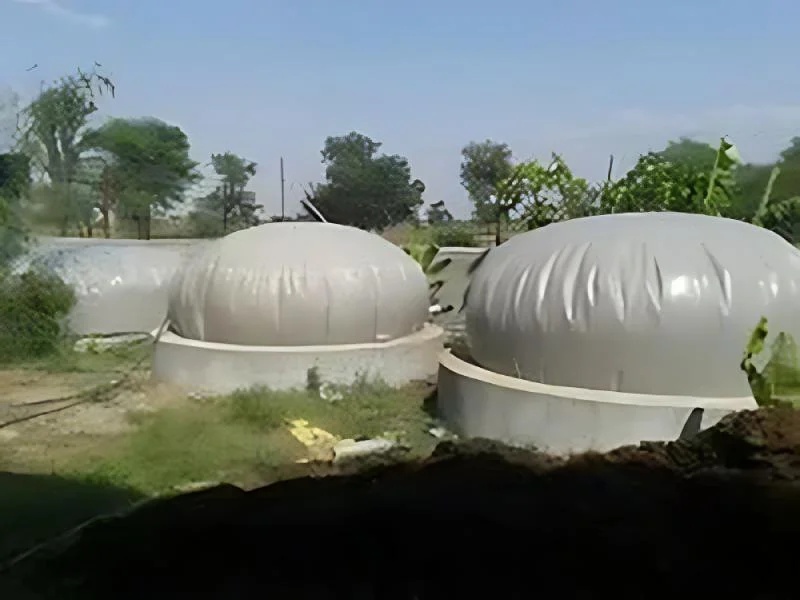
Industrial Biogas Plant is a large-scale renewable energy system designed to process significant volumes of organic waste into biogas and bio-fertilizer. It supports industries, factories, farms, and communities in sustainable energy generation.
Industrial Biogas Plant is engineered for high-volume waste treatment and energy recovery. It processes large quantities of agricultural residues, food industry waste, municipal solid waste, animal manure, and industrial biomass to generate biogas. The produced biogas can be used for cooking, industrial heating, electricity generation, or upgrading into bio-CNG. The byproduct digestate is a valuable organic fertilizer that improves soil fertility. Designed with robust materials, advanced gas storage systems, and automated controls, these plants ensure continuous, efficient, and eco-friendly operations, reducing reliance on fossil fuels while managing waste sustainably.
Cash,Cheque
Key Attributes
- Plant Capacity 500 m³/day to 10,000 m³/day (customizable)
- Feedstock Input 5 to 200 tons/day (organic waste, agri-waste, manure, MSW)
- Biogas Production 250 to 5,000 m³/day (depending on feedstock)
- Energy Output 500 kWh/day to 2 MW/day electricity equivalent
- Retention Time 30 to 45 days
- Operating Pressure 8 to 15 mbar (low pressure)
- Gas Storage Capacity 100 m³ to 5,000 m³
- Construction Material RCC / MS / FRP / Flexible membrane
- Automation Level Semi-automatic / Fully automatic
- Plant Life 15 to 25 years
- 15 to 25 years 90% of input waste converted into nutrient-rich slurry
- Efficiency 85% to 90% conversion efficiency
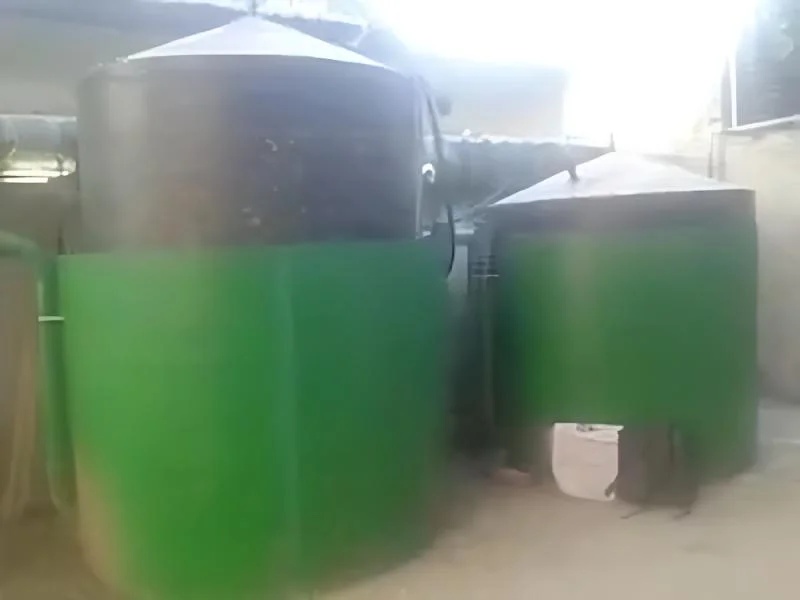
Domestic Biogas Plant is a compact renewable energy system designed for households, small farms, and community kitchens to convert kitchen waste, cow dung, and organic residues into biogas for daily cooking and organic fertilizer for agriculture.
Domestic Biogas Plant is a cost-effective, eco-friendly solution for homes and small-scale users. It utilizes everyday organic waste such as food scraps, vegetable residues, cow dung, and poultry litter to generate clean cooking gas. The generated biogas can replace LPG or firewood for daily cooking, reducing dependency on fossil fuels and lowering household energy costs. In addition, the slurry byproduct is a nutrient-rich organic fertilizer that enhances crop yield. Designed for easy installation and low maintenance, domestic biogas plants provide households with a sustainable source of energy and waste management while reducing greenhouse gas emissions.
Cash,Cheque
Key Attributes
- Plant Capacity 1 m³/day to 10 m³/day
- Feedstock Input 20 kg/day to 250 kg/day (kitchen waste / cow dung)
- Biogas Production 0.5 m³/day to 5 m³/day
- Energy Output Equivalent to 1 to 3 LPG cylinders per month
- Retention Time 30 to 40 days
- Operating Pressure 8 to 12 mbar
- Gas Storage Capacity 0.5 m³ to 10 m³
- Construction Material FRP / HDPE / RCC / Flexible material
- Automation Level Manual / Semi-automatic
- Plant Life 10 to 15 years
- Byproduct 90% of input converted into nutrient-rich organic slurry
- Efficiency 80% to 90% digestion efficiency
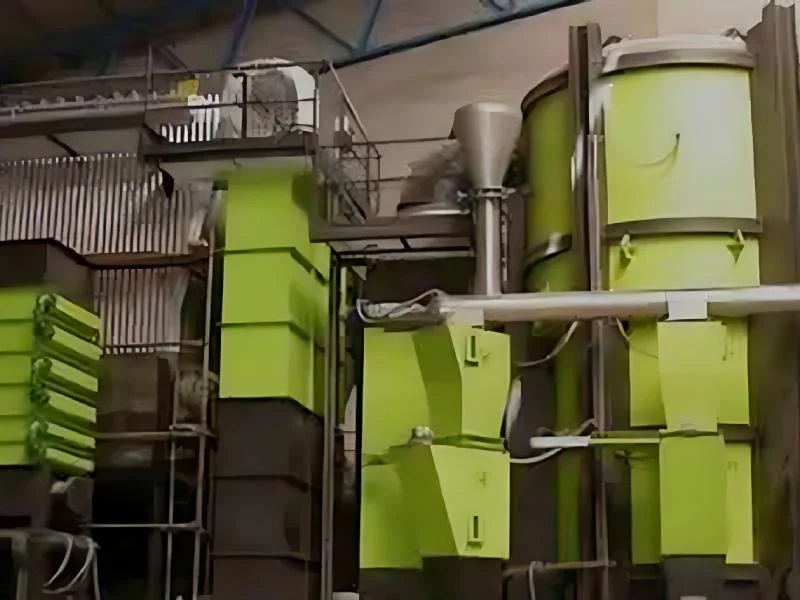
Biomass Gasifier Systems are sustainable energy solutions that convert agricultural residues, wood chips, and organic waste into clean producer gas. This gas can be used for electricity generation, heating, or as an alternative fuel for industries.
Biomass Gasifier Systems are advanced renewable energy technologies designed to convert solid biomass such as crop residues, wood chips, coconut shells, and other organic waste into a combustible gas known as producer gas. This gas can be utilized for generating electricity, thermal energy, or as a substitute fuel in industrial applications.Gasification offers an eco-friendly alternative to fossil fuels, significantly reducing carbon emissions while providing a reliable and cost-effective energy source. These systems are available in various capacities, suitable for small-scale rural electrification as well as large-scale industrial power generation.Built with robust construction and equipped with efficient combustion chambers, modern biomass gasifiers ensure long operational life, low maintenance, and high energy efficiency.
Cash,Cheque
Key Attributes
- Power Output Capacity 10 kW – 2 MW
- Feedstock Types Wood, Crop Residues, Biomass Waste
- Gas Calorific Value 1000 – 1200 kcal/Nm³
- Operating Temperature 800 – 1000 °C
- Efficiency 70 – 80%
- Voltage Output (with Generator) 400 V / 3-Phase
- Cooling System Water / Air Cooled
- Operational Lifespan 15 – 20 years
- Ash Content Handling ≤ 5%
- Installation Type Skid-Mounted / Fixed Setup
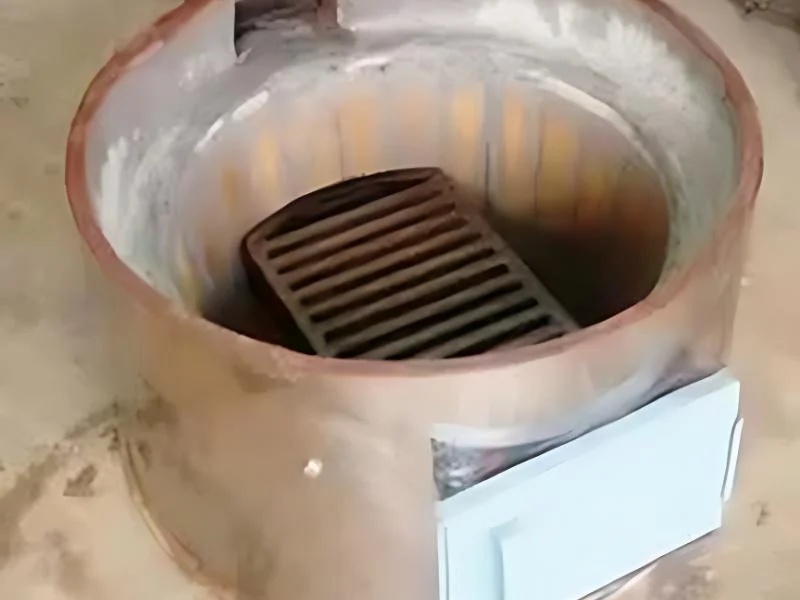
MS Pellet Stove is a modern, eco-friendly heating appliance designed to burn biomass wood pellets efficiently. Made from durable mild steel (MS), it offers long-lasting performance, high thermal efficiency, and low emissions. Ideal for homes.
MS Pellet Stoves are advanced biomass-based heating devices constructed from high-quality mild steel, ensuring strength, durability, and resistance to high temperatures. These stoves are specifically designed to burn biomass pellets (such as wood pellets, agri-waste pellets, or sawdust pellets) to generate consistent and clean heat. The automatic feeding system allows controlled fuel supply, ensuring efficient combustion with minimal wastage. With their sleek and user-friendly design, MS pellet stoves are suitable for residential, commercial, and semi-industrial applications. By using renewable biomass pellets, these stoves significantly reduce greenhouse gas emissions compared to coal, LPG, or kerosene-based heating. Their cost-effectiveness and environmental benefits make them a preferred choice for sustainable energy users.
Cash,Cheque
Key Attributes
- Fuel Type Biomass Wood Pellets
- Heating Capacity 5 kW – 50 kW
- Material Mild Steel (MS)
- Pellet Feeding System Manual / Automatic
- Efficiency 75 – 90%
- Pellet Consumption 1 – 5 kg/hour
- Ash Content after Burning ≤ 1.5%
- Exhaust Temperature 120 – 250 °C
- Operating Voltage (if auto) 220 V / Single Phase
- Lifespan 10 – 15 years
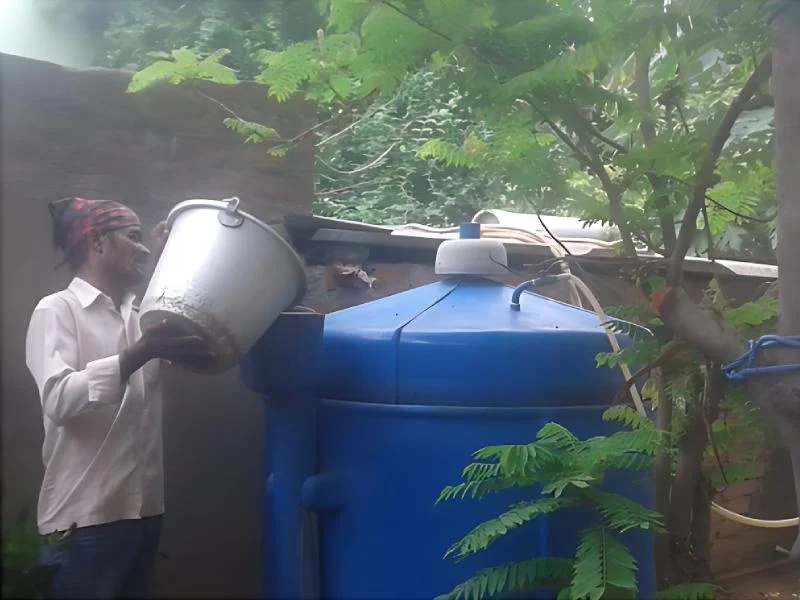
FRP Floating Demo Biogas Plant is a compact, durable, and easy-to-install system designed for producing biogas from organic waste. Made with high-strength FRP (Fiber Reinforced Plastic), it is lightweight, corrosion-resistant.
FRP Floating Demo Biogas Plants are specially designed systems that utilize biodegradable waste such as kitchen scraps, animal dung, and organic residues to generate biogas. Constructed using high-quality Fiber Reinforced Plastic (FRP), these plants are lightweight, easy to handle, and resistant to rust and weathering, ensuring long service life with minimal maintenance.Their floating drum design ensures efficient gas collection, pressure regulation, and continuous output of biogas. Being compact and portable, they are widely used in schools, training centers, research institutions, and households to demonstrate the process of biogas generation and its applications in cooking and lighting.In addition to renewable energy, these plants produce nutrient-rich slurry as a byproduct, which can be used as an organic fertilizer for agriculture and gardening.
Cash,Cheque
Key Attributes
- Material Fiber Reinforced Plastic (FRP)
- Capacity Range 0.5 m³ – 10 m³
- Biogas Output 0.2 – 4 m³/day
- Suitable Waste Input Kitchen Waste, Animal Dung, Organic Residues
- Gas Holder Type Floating Drum
- Lifespan 15 – 20 years
- Installation Type Portable / Fixed Setup
- Slurry Output 10 – 50 liters/day
- Operating Temperature Ambient (20°C – 40°C)
- Maintenance Requirement Low
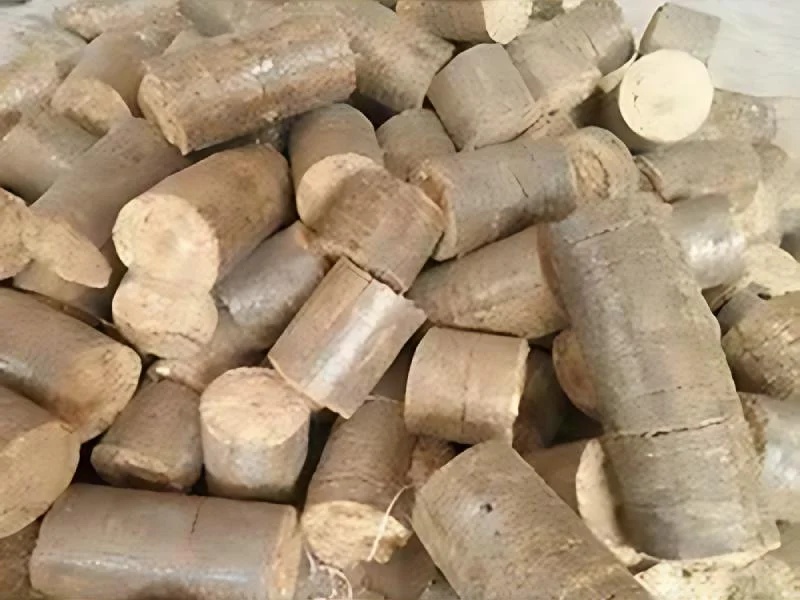
Biomass Briquettes are eco-friendly, compressed solid fuels made from agricultural residues, sawdust, and organic waste. They serve as a cost-effective alternative to coal, firewood, and LPG for heating and industrial applications.
Biomass Briquettes are cylindrical or rectangular solid blocks produced by compressing agricultural and forestry residues such as sawdust, rice husk, groundnut shells, bagasse, and other biomass waste. Without using any binders, these materials are compacted under high pressure, forming dense, high-energy fuel suitable for burning in boilers, stoves, and furnaces. They are widely used in industrial heating, power generation, and domestic cooking as a clean substitute for coal, diesel, and firewood. With low ash and sulphur content, biomass briquettes reduce air pollution, greenhouse gas emissions, and operational costs. Their renewable nature supports eco-friendly energy systems and contributes to sustainable development.
Cash,Cheque
Key Attributes
- Shape Cylindrical / Rectangular
- Diameter (Cylindrical) 60 mm – 90 mm
- Length 100 mm – 300 mm
- Calorific Value 3500 – 4500 kcal/kg
- Moisture Content ≤ 10%
- Ash Content ≤ 5%
- Bulk Density 600 – 800 kg/m³
- Sulphur Content ≤ 0.05%
- Volatile Matter 65 – 80%
- Shelf Life Up to 2 years
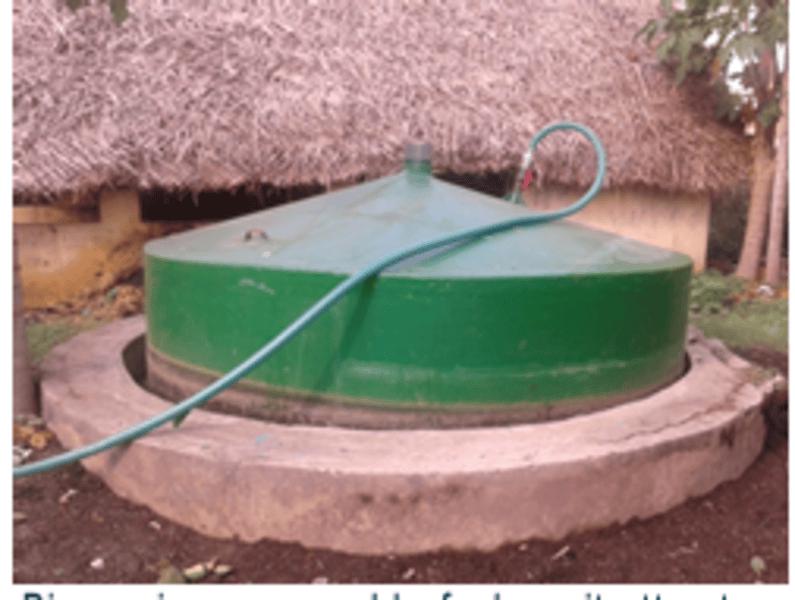
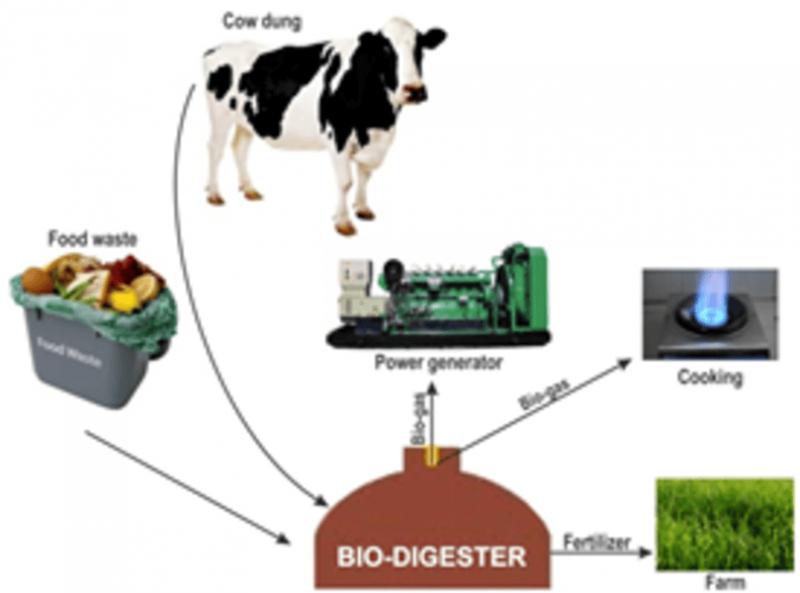
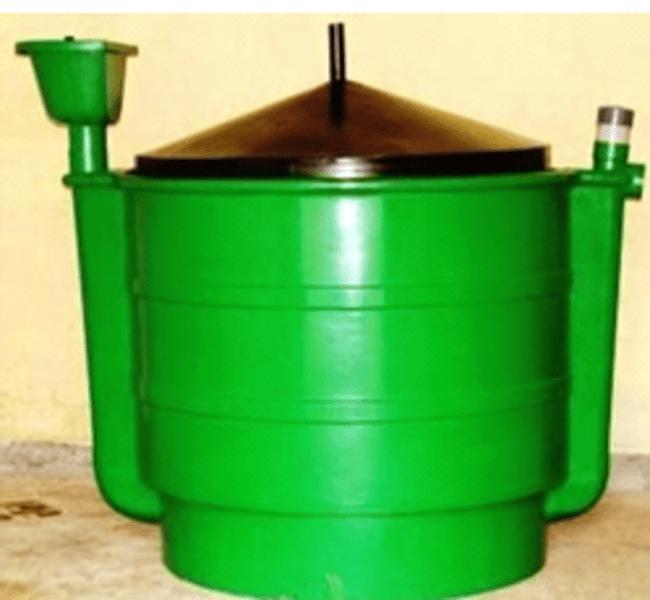
A Bio-Gas Plant is a renewable energy system that converts organic waste into clean biogas fuel and nutrient-rich organic fertilizer through anaerobic digestion, reducing waste and energy costs while supporting sustainability.
Biogas is a gaseous fuel produced through the biological decomposition of organic matter in the absence of oxygen. Derived from biogenic sources, biogas is classified as a renewable bio-fuel.One form of biogas is generated through anaerobic digestion or fermentation of biodegradable materials such as biomass, animal manure, sewage, night soil, municipal solid waste, green waste, and energy crops. This biogas mainly consists of methane and carbon dioxide. Another type, known as wood gas, is produced through the gasification of wood or other biomass. Wood gas primarily contains nitrogen, hydrogen, and carbon monoxide, along with small amounts of methane.Methane, hydrogen, and carbon monoxide are combustible gases that release energy when oxidized with oxygen. Since air contains approximately 21% oxygen, this reaction enables biogas to be efficiently used as a fuel. Biogas serves as a cost-effective energy source for heating applications such as cooking and can also be utilized in modern waste management facilities to power heat engines for mechanical or electrical energy generation. Additionally, biogas can be compressed in a manner similar to natural gas and used as a fuel for motor vehicles.As a renewable energy source, biogas qualifies for renewable energy incentives and subsidies in many regions worldwide.Diamond Engineering Enterprises is pleased to introduce this sustainable solution, explain its operational features in detail, and visit your site to recommend customized installation options based on your specific requirements.
Cash,Cheque
Key Attributes
- Type Small, Medium, Large / Commercial
- Process Anaerobic Digestion
- Primary Output Biogas (Methane + CO₂)
- Methane Content ~50–70% (varies with feedstock)
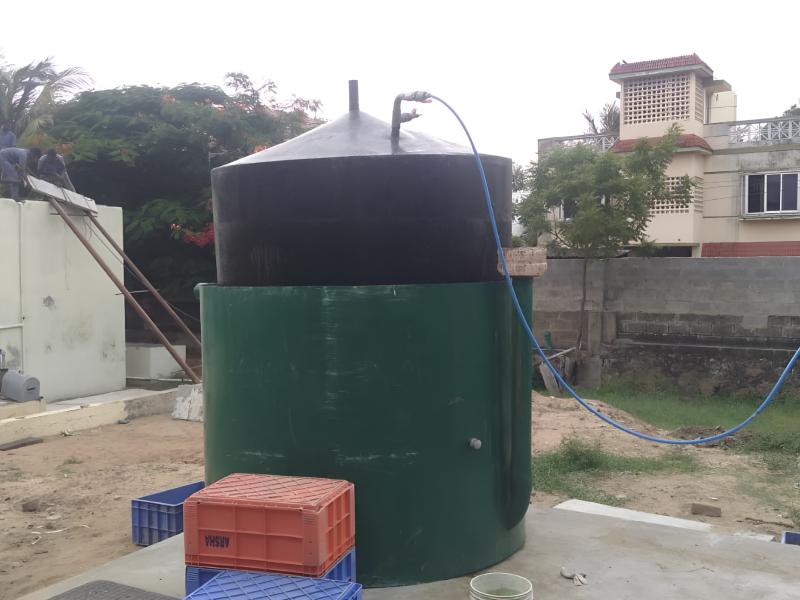
Biogas plant system designed for efficient conversion of organic waste into renewable energy suitable for domestic, agricultural, and industrial applications.
This biogas plant system is engineered to convert biodegradable waste such as food waste, animal dung, and agricultural residue into usable biogas energy. The system supports sustainable waste management while producing clean fuel for cooking, heating, and power generation. Designed for long operational life, the plant ensures efficient gas collection, minimal leakage, and safe digestion cycles. It is suitable for residential communities, farms, institutions, and industrial units aiming to reduce carbon footprint and energy costs.
Credit Card,PayPal,Cash,Cheque,Demand Draft
Key Attributes
- Material Type Reinforced concrete and MS structure
- Installation Type Ground mounted
- Energy Output Type Biogas and organic slurry
- Usage Type Renewable energy generation
- Customization Capacity based design available
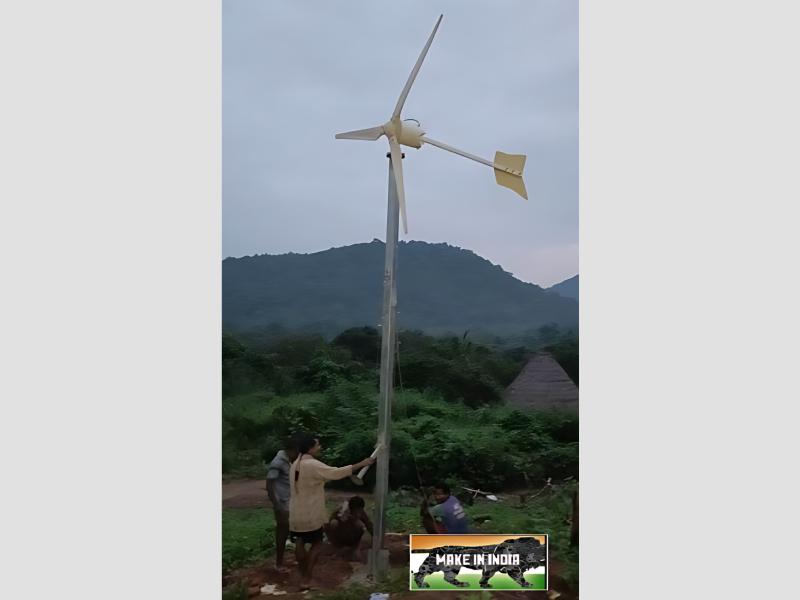
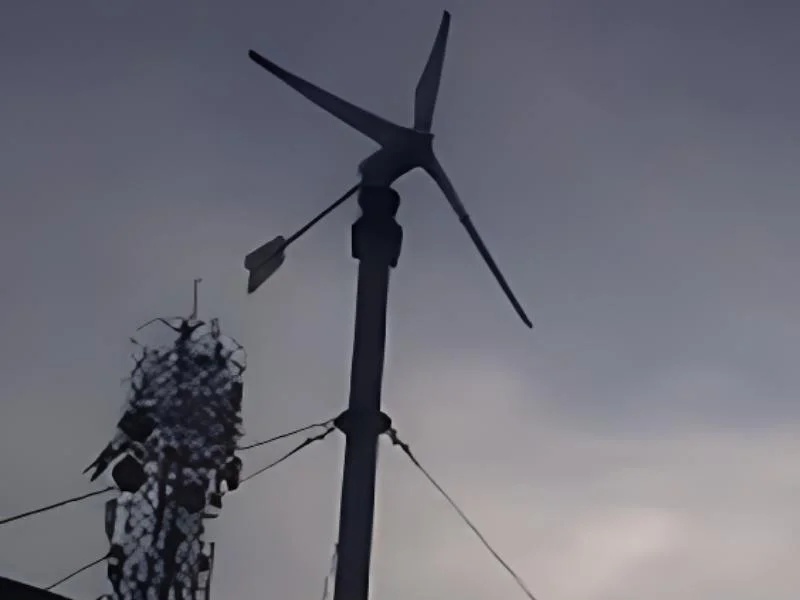
Compact domestic wind turbine designed for generating renewable electricity in low to moderate wind conditions.
This domestic wind turbine is engineered for small scale renewable power generation in residential and rural settings. The turbine efficiently converts wind energy into electrical power, supporting off grid and hybrid energy systems. Designed for durability and low noise operation, it offers a sustainable alternative energy source for households and small establishments.
Credit Card,PayPal,Cash,Cheque,Demand Draft
Key Attributes
- Blade Material Fiber reinforced composite
- Mounting Type Pole mounted
- Power Generation Wind energy conversion
- Usage Type Residential and rural electrification
- Design Standard Weather resistant structure